Growth advising for B2B SaaS companies stuck between $10M and $50M ARR
You've got product-market fit. Now the levers that got you here are flattening out. I help your growth, product, and revenue leaders find the next ones, using what worked when I did this job at Wistia and Postscript
Growth teams I’ve advised






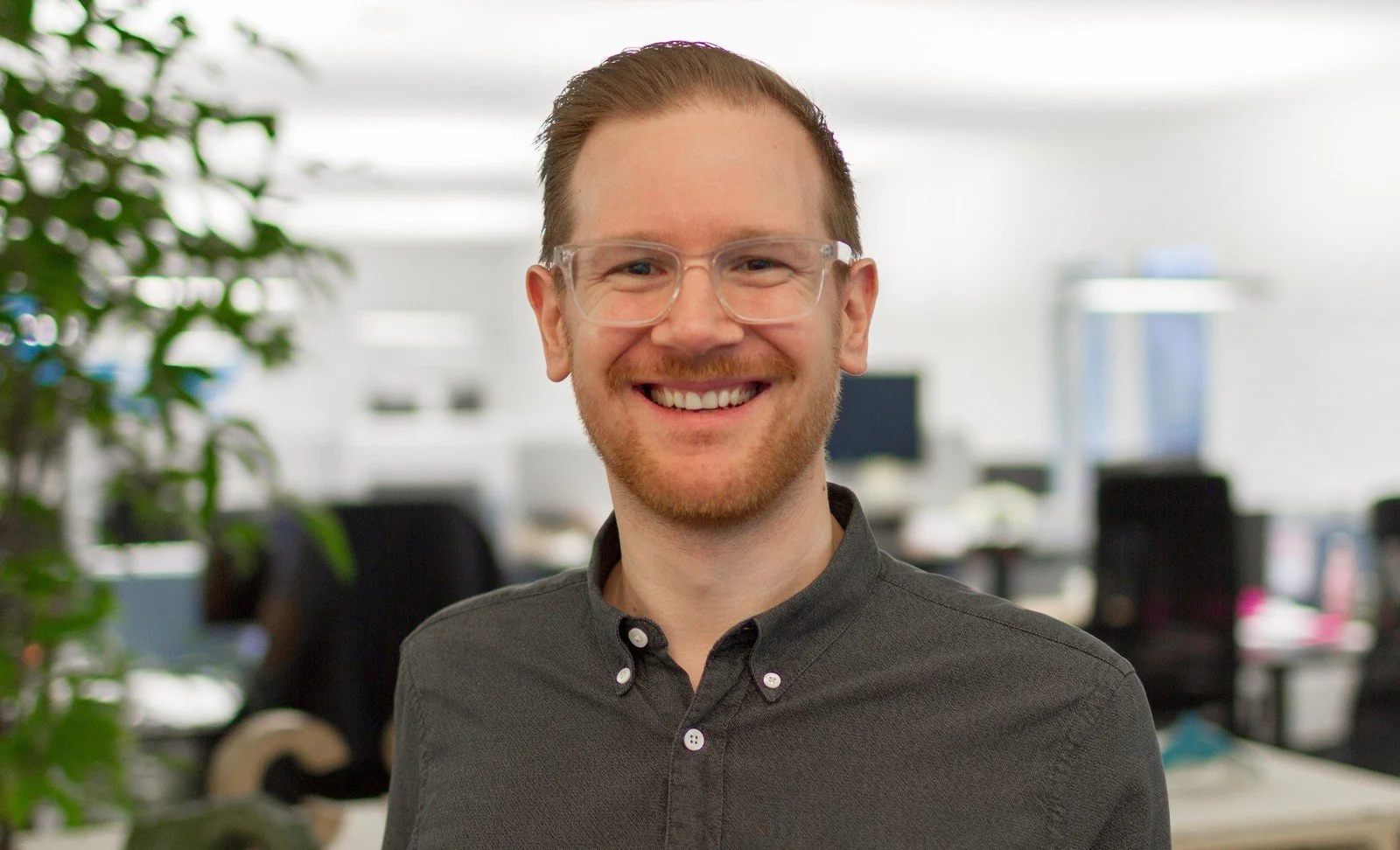
We have worked closely with Andrew to transform Avrios into a product-led business. He’s helped us establish an exceptional onboarding experience, optimize the entire user journey, and dramatically improved our activation & PQL metrics.
Martin Buberl
CTO, Avrios
The playbook that got you to $10M stops working somewhere around $10M
Signups keep coming but conversion flatlines. Self-serve and sales fight over the same accounts. Onboarding was built for a product 3 versions ago. Pricing hasn't been touched since the last raise. Everyone has a theory about what's broken and nobody has the data and systems to fix it.
Most teams at this stage have smart people and a real budget. What they're missing is someone who's lived through this exact stretch and can tell them which projects to put out first (and which ones to let sit).
I've been the person accountable for these numbers
I ran growth at Wistia while it grew from $6M to $40M+ in revenue. Then I led growth at Postscript from $3m to $100M+, where the whole job was balancing a self-serve motion against a sales team that wanted the same leads.
My teams owned acquisition, new user onboarding, free-to-paid upgrades, pricing changes, and the routing logic that decided which signups went to sales. I've shipped tests that worked and ones that cost us a quarter.
Since 2021 I've advised teams on the same problems, and coached 100+ Directors, VPs, and Heads of Growth along the way.

Designed for B2B SaaS companies with $10M+ ARR and a specific plateau to break
Good fit
- B2B SaaS doing $10M to $50M in ARR. I also work with larger companies where product-led revenue is one motion inside a bigger business.
- Product-market fit is settled. The question is what gets you to the next stage.
- You already have a growth, product, or RevOps team doing the work. I make that team sharper. Execution stays with them.
- Meaningful volume: thousands of signups or trials a month, enough to run real tests and get real answers.
- A named problem: activation stalled, PQL handoff leaking, pricing out of date, self-serve and sales stepping on each other.
Probably a bad fit
- Under $5M ARR or still searching for product-market fit.
- No one on the team to execute; you're looking for an operator, not an advisor.
- You want a fractional Head of Growth who's in Slack every day.
If that's you, my coaching program or free resources are probably the better starting point.
The problems that show up between $10M and $50M
Which signups go where, based on which signals, and how to keep both teams from fighting over the same accounts.
Scoring, handoff, and what happens when a product-qualified lead ignores the SDR.
Rebuilding the first session for the product you have now, and measuring it honestly.
Free-to-paid, tier-to-tier, seat expansion, and the in-product moments that trigger each.
Stress-testing the current model against the segments you're actually selling to.
Cancel flows, downgrade paths, and win-back for self-serve accounts nobody in sales is watching.
Who owns what, how fast you can ship tests, and why the roadmap keeps getting hijacked.
Getting the whole exec team looking at the same funnel numbers, defined the same way.
How advising works
2 calls a month, async feedback in between, and your team gets my whole course library
Before we start, you fill out an intake form about the business, the team, and the number you're trying to move. That becomes a loose roadmap for the first 90 days.
Then we use the calls to pressure-test plans, pick the next tests, put guardrails around implementation, and review results. Between calls, your team sends me roadmaps, test designs, flows, and decks, and I send back feedback the same week.
Here’s what’s included
✅ (2) x 60-min Zoom meetings per month - with you and whoever on the team owns the work
✅ 6 hrs of async review (roadmaps, test plans, onboarding flows, pricing pages)
✅ Email support between our calls
✅ Access to my course programs for your entire team
Advising engagements start at $4.5k/mo with a 4-month minimum. Most clients work with me for 6 to 12 months.
Here’s what it looked like for other teams
-
![Amit RG]()
Amit RG, CEO Richpanel
“Hire Andrew. He'll force you to ask the right questions, apply first-principle thinking and prioritize your approach. Working with him is a great way to get the most from your PLG team without burning a lot of time and money.”
-
![Dominik Mate Kovacs]()
Dominik Mate Kovacs, CPO Colossyan
“Working with Andrew was great. His expert insights and ideas helped our company increase our activation rate from 12% to 34%+ and the conversion rate of activated to paying users to 10%+
-
![]()
Martin Buberl, CTO Avrios
“We have worked closely with Andrew transforming Avrios into a product-led business. He helped us establish an exceptional onboarding experience and optimize the entire user journey – which dramatically improved our activation & PQL metrics.”


Questions people ask before an intro call
What does a B2B SaaS growth advisor do?
A growth advisor works with your existing growth, product, and revenue leaders to diagnose why growth has stalled and decide what to do next. I stress-test your plans, suggest tests, review execution, and help you avoid the mistakes I already made running growth at Wistia and Postscript. Your team keeps ownership of the work.
What size company do you work with?
My sweet spot is B2B SaaS companies between $10M and $50M in ARR with thousands of signups or trials a month. I also advise larger companies where a product-led motion is one part of a much bigger business. Under $5M ARR is usually a better fit for my coaching program.
Do you only work with product-led companies?
I work with product-led, sales-led, and hybrid companies. Most of my clients at this stage are hybrid: a self-serve funnel plus a sales team, and a lot of the work is deciding which accounts go where. That's the exact problem I owned at Postscript as it passed $100M.
What's the difference between an advisor and a fractional Head of Growth?
A fractional Head of Growth runs your team part-time and is accountable for execution. An advisor works alongside the leaders you already have, on strategy, prioritization, and review.
If you need someone in Slack every day, hire a fractional. If you have the team and need someone who's seen this movie before, that's advising.
What's the difference between advising and coaching?
Advising is for companies and focuses on business outcomes: conversion, revenue, team structure. Coaching is for individual growth leaders and focuses on their own performance and career. Some clients do both.
How long does an engagement last?
There's a 4-month minimum. Most clients stay 6 to 12 months, meeting twice a month.
What does it cost?
Advising starts at $4500/month. Everything on this page (2 calls a month, 6 hours of async review, course access for the whole team) is included.
Why work with you instead of a consultancy?
I've been the person accountable for the results, at Wistia ($6M to $40M+) and Postscript ($100M+). Consultancies give you frameworks. I give you the specific decisions I'd make in your seat, and the mistakes I'd skip.